
How Longmont Residents Are Found
Start with the key you already hold. An address leads to the Boulder or Weld assessor. An owner's name points toward the property roll and recorder. An old surname belongs in a directory or newspaper rather than a current lookup. City records add their own trails through boards, permits, easements, council material, and public meetings. No single source amounts to a complete Longmont residents directory. Each one captures a role, a parcel, an event, or a slice of time.
Build a short, repeatable chain instead of jumping between sources. Record the original address and the county the parcel search returned. Note the record date and the source URL. Then test the result against an independent key. A deed grantee and an assessor owner can match without proving anyone actually lives there. A directory address and a census household can align without proving title. That distinction is what keeps a Longmont resident search honest. It turns a clue into a claim only when the evidence supports it.
- Normalize the address with the official USPS lookup, but use the parcel to choose Boulder or Weld County.
- Search the county assessor by address, owner, street, subdivision, account, parcel, or section-township-range where available.
- Use Go Vote Colorado for a person’s own registration status, or request a lawful county or state voter report.
- Read the recorder index for deeds, plats, liens, and legal descriptions, then inspect the actual instrument when needed.
- For an older household, move to city directories, the Longmont Ledger index, census material, newspapers, and archives.
An index that stops short does not end the search. The fallback list is long. Try the county counter, a phone or email to the office, mail or a drop box, a library database, a Museum Archives appointment, or a Colorado Open Records Act request to the custodian.
Longmont Resident Records and County Lines
Longmont sits across Boulder and Weld Counties. The city's outside-agency resource map states that split plainly. Still, the practical test is the parcel and its legal description. Boulder County handles most city records, while eastern and southeastern addresses can fall to Weld. A mailing line reading Longmont tells you nothing. It does not name the recorder, assessor, court, or election custodian.
The Boulder County public-records hub connects recording, property, permits, elections, and birth records. Weld's Clerk and Recorder works from Greeley. It opens real-estate records from 1865 through its EagleWeb index. City records sit on a separate shelf. The Longmont Clerk, city court, Accela, the Museum, and the library hold them. Together these offices form the working backbone of a Longmont residents directory.
See the county split for yourself on the Longmont outside-agency resource map. Treat it as orientation, then let the county parcel system decide.
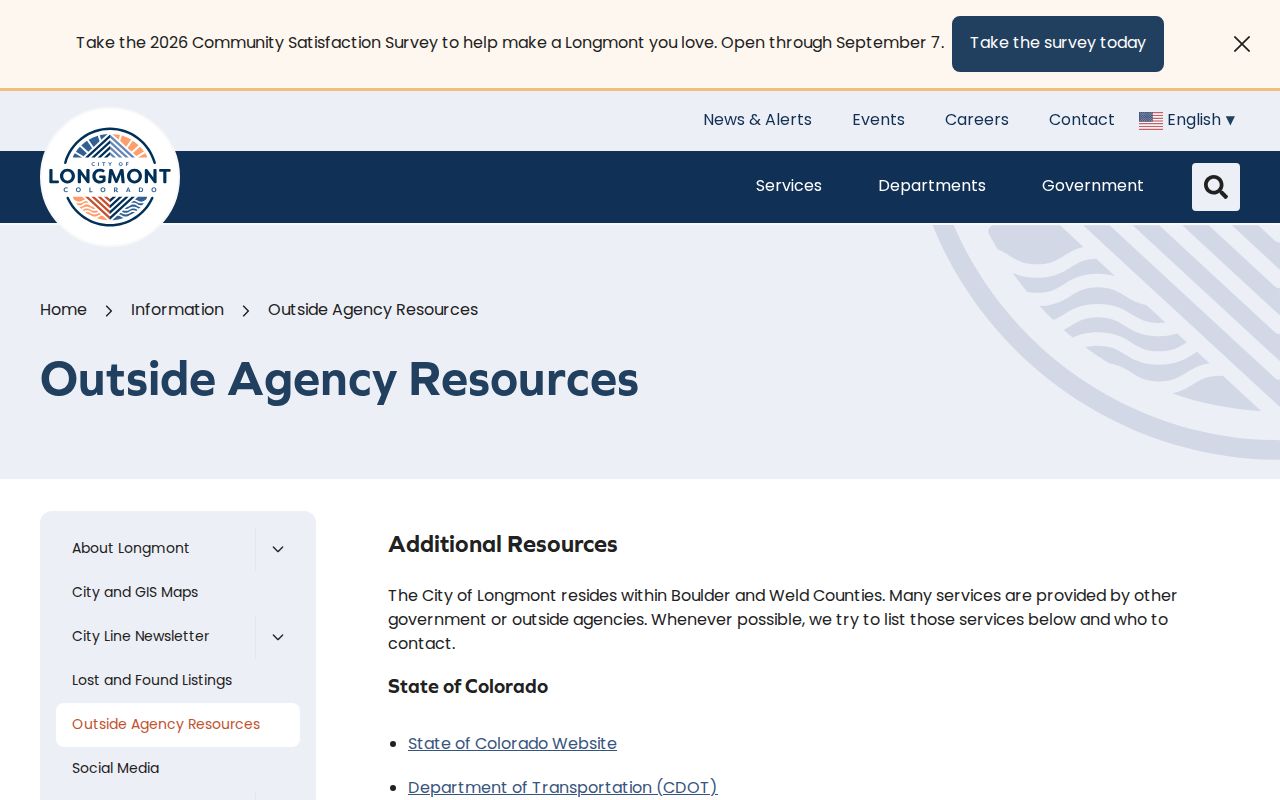
The county-jurisdiction screen makes the Boulder-Weld split concrete. It cannot substitute for the parcel search. That search decides which office actually holds the record.
The Boulder County public-records hub is the county-side starting point for recording, property, permits, elections, and other public record routes.
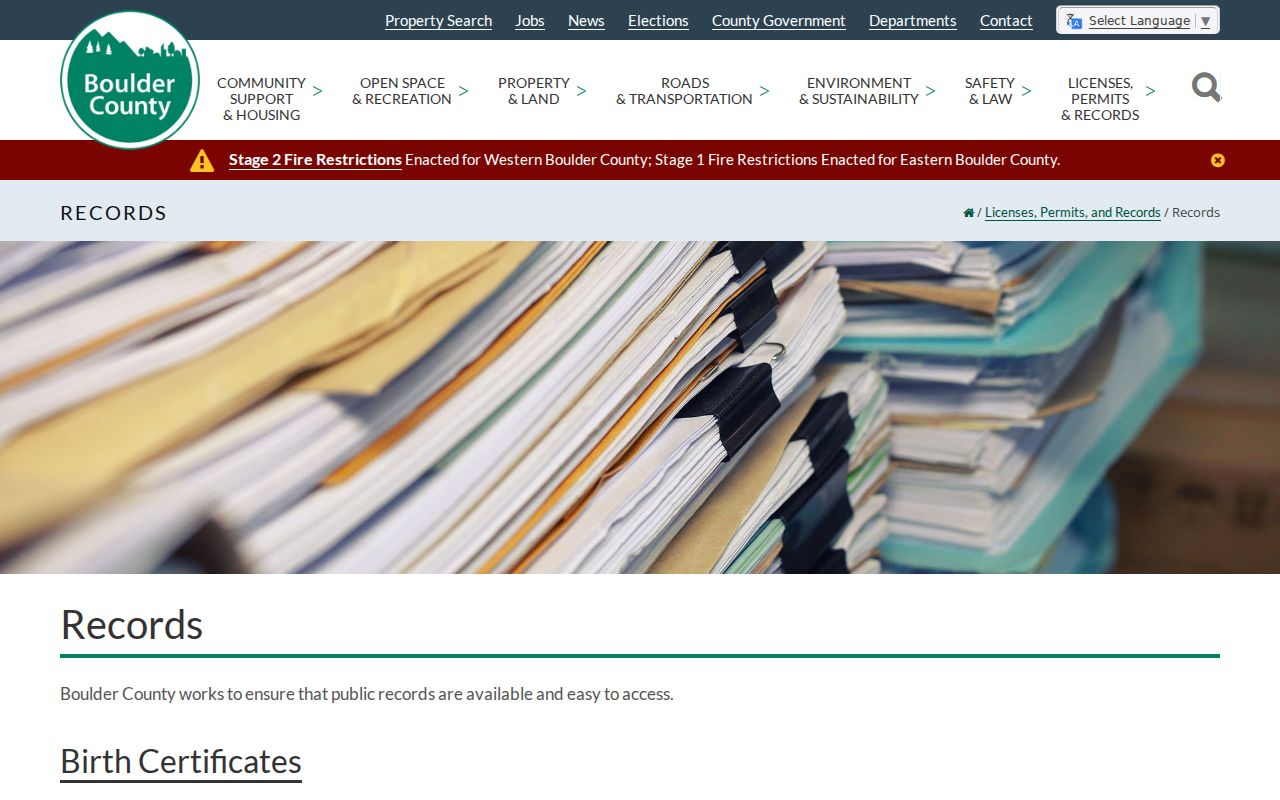
The hub offers a county-side entry point. The parcel and its document custodian still control the final record path.
Boulder County Clerk and Recorder
1750 33rd St., Suite 201, Boulder; Longmont drop box at 529 Coffman St.
Recording, elections, licenses
Boulder recorded-document and public-record routes
Weld County Clerk and Recorder
Recording Department, 1250 H Street, Greeley
970-304-6530
Real estate, maps, elections, and marriage records
Longmont City Clerk
350 Kimbark St., Longmont, CO 80501
303-651-8649
City records, imaging, indexing, archives, and CORA
Note: County choice follows the parcel, not the postal city printed on an envelope.
The Longmont Directory Starts with a Parcel
Boulder County Property Search accepts several keys: address, owner name, street name, subdivision, account, parcel, or section-township-range. A map click reaches the same parcel. Use it when an address is misspelled or an old street line is unclear. Save everything before moving on. Keep the account, parcel, owner, mailing address, situs address, legal description, sales history, and election district. Remember what the property card is. It records ownership and assessment, not a roster of every person at the property.
| Address | Physical situs search; exact or partial behavior depends on the live portal. |
|---|---|
| Owner name | Current assessed owner; compare names, trusts, estates, and entity spellings. |
| Street name | A starting point for a street-wide browse, followed by parcel numbers. |
| Subdivision | Connects lots, blocks, plats, additions, and older legal descriptions. |
| Account or parcel | Durable county identifiers that bridge assessment, GIS, permits, and deeds. |
| S-T-R | Section-township-range search useful for rural or county-side property. |
Weld speaks a different language. Its search fields run by account number, owner name, address portion, and subdivision with block and lot. They also cover parcel number, section-township-range, and API number. The Weld report can show tax year, buildings, values, owner and mailing fields. It can also show land description, acres, and square feet. Test both systems with the right field set. An empty result is not the same as an absent record.
Colorado Voter Lookup Has a Narrow Key
Colorado's own registration tool works like a lock with one narrow key. Go Vote Colorado asks for a first name. It also wants a last name, birth date, and residential ZIP code. Nothing else opens it. When the fields match, it returns that person's registration status. It also returns the mailing address, precinct, districts, party affiliation, and ballot status. It is a personal status lookup. It will never serve as a public street directory or a full household roster for Longmont.
For broader voter rolls, the counties sell or furnish report products. Boulder County publishes voter reports carrying names and addresses. The reports also carry party, status, birth year, precincts, districts, and election participation. Weld County runs its own list and file products through the elections office. The Secretary of State supplies report forms. Some fields stay sealed. Month and day of birth, signatures, email addresses, driver-license numbers, Social Security numbers, and confidential voter data are withheld by law. Election history shows whether and how a ballot was recorded. It never reveals how anyone voted.
A clean voter match can confirm a registered resident's stated address. A missing match proves almost nothing, though. The person may be unregistered. The person may be freshly moved, protected through the Address Confidentiality Program, confidential, or simply sitting in a different county extract. Treat voter rolls as their own column of evidence. Keep them beside the property and deed records, not mixed inside them.
The Go Vote Colorado portal shows the personal lookup fields in plain view. It answers one voter's status. It is not a browseable street roster for finding neighbors in Longmont.
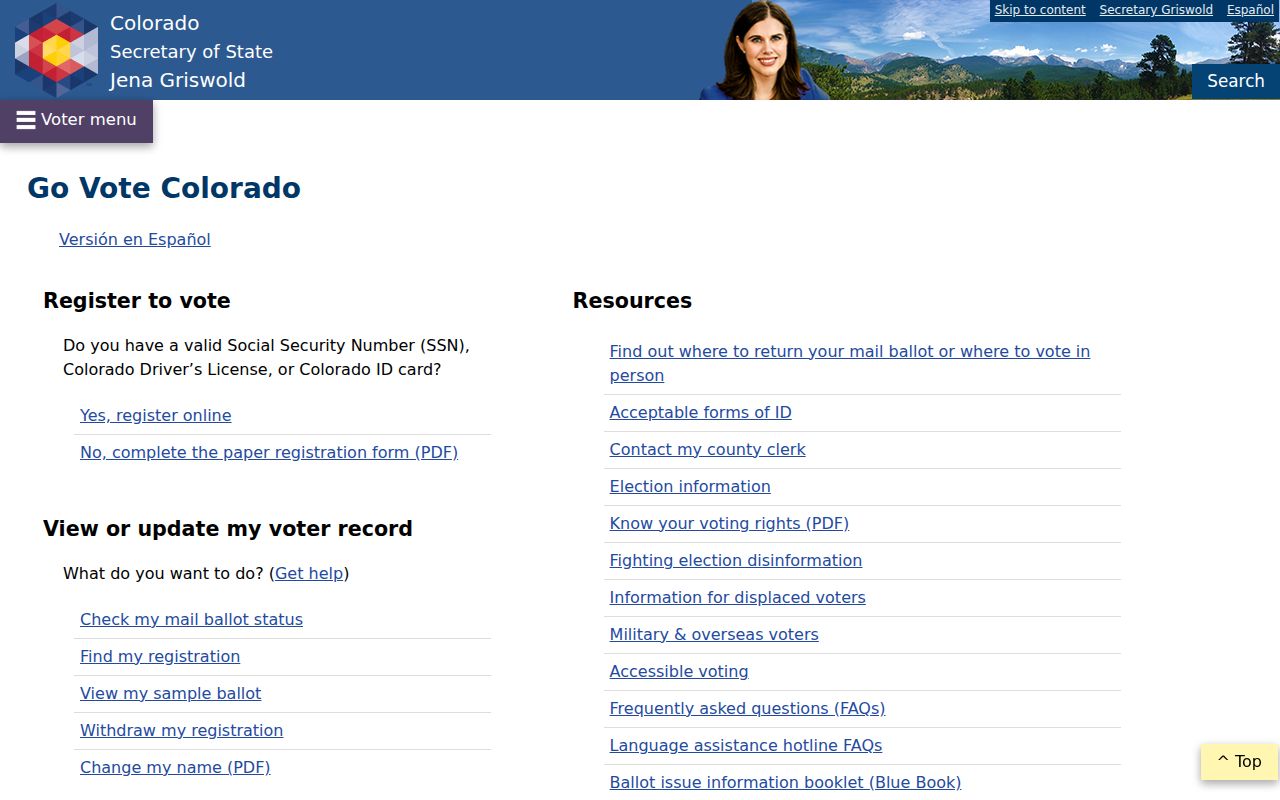
The Go Vote screen drives home the point. A match takes a name, a birth date, and a residential ZIP code directory entry all at once. County voter extracts travel a separate request route entirely.
Note: A current voter result and an assessor owner result answer different questions even when the names match.
Current Longmont Resident Sources
Longmont's current resident sources are purpose-built records rather than one city directory. The assessor is strongest for parcel and title clues. The voter system is strongest for a registered person's status. The recorder holds the legal transfers. City portals surface named applicants, speakers, board members, permit participants, and public correspondents. Neighborhood groups add civic context. The public NGLA material does not expose a household roster or resident lookup.
| Source | Names or clues | Keeper | Access |
|---|---|---|---|
| Assessor parcel card | Owner, mailing and situs addresses, parcel, sales, building data | Boulder or Weld Assessor | Free public search |
| Recorded-document index | Grantors, grantees, legal descriptions, deeds, liens, plats | County Clerk and Recorder | Index and office copy routes |
| Voter registration | Registered name, stated address, status, precinct, public history fields | Colorado SOS or county clerk | Personal lookup or request |
| Longmont city records | Applicants, officeholders, speakers, board members, named parties | City Clerk and city portals | Self-service or CORA |
| Directories and indexes | Historical household, occupation, address, event, or obituary lead | Library, LGS, archives | Online, in-library, or appointment |
Work the trails in order. Start with owner or address, then add a second independent source. A resident who is not the titleholder may surface only in a voter file or newspaper. Board records, court indexes, and past residents listings can also reveal them. A deed party, conversely, can be an estate or a trust. It can also be a lender or a former owner. That is why a reliable Longmont residents directory is really a set of linked trails. It is not one master roll.
Longmont City Records Name Civic Participants
The Longmont Online Records portal gathers the city's named collections in one place. The list covers annexation files, boards and commissions, building permits, budgets, council minutes, easements, election administration, election campaigns, urban-renewal records, ordinances, resolutions, and subdivision documents. Full-text search works across minutes, ordinances, resolutions, and easements, with wildcard options for partial names. These records can name applicants, petitioners, public speakers, elected officials, and organizations tied to an address.
The city council has seven members counting the mayor. Longmont lists each one's ward or at-large status, term expiration, phone, email, liaison assignments, and external boards. Twenty-two citizen boards and commissions add another time-stamped civic layer. The city phone directory routes questions to the Clerk, Building Inspection, Public Works, Police, Museum, or cemetery contact. Think of it as a custodian map, not a resident list.
The Accela Citizen Portal adds permits, inspections, code cases, licenses, planning, and public works records. Searching can start from a record number, an address, a parcel number, global search, or department. Exact address spelling matters here. A permit applicant or contractor is not automatically the owner or occupant. But the record can still place a person, a business, and a parcel in the same date window.
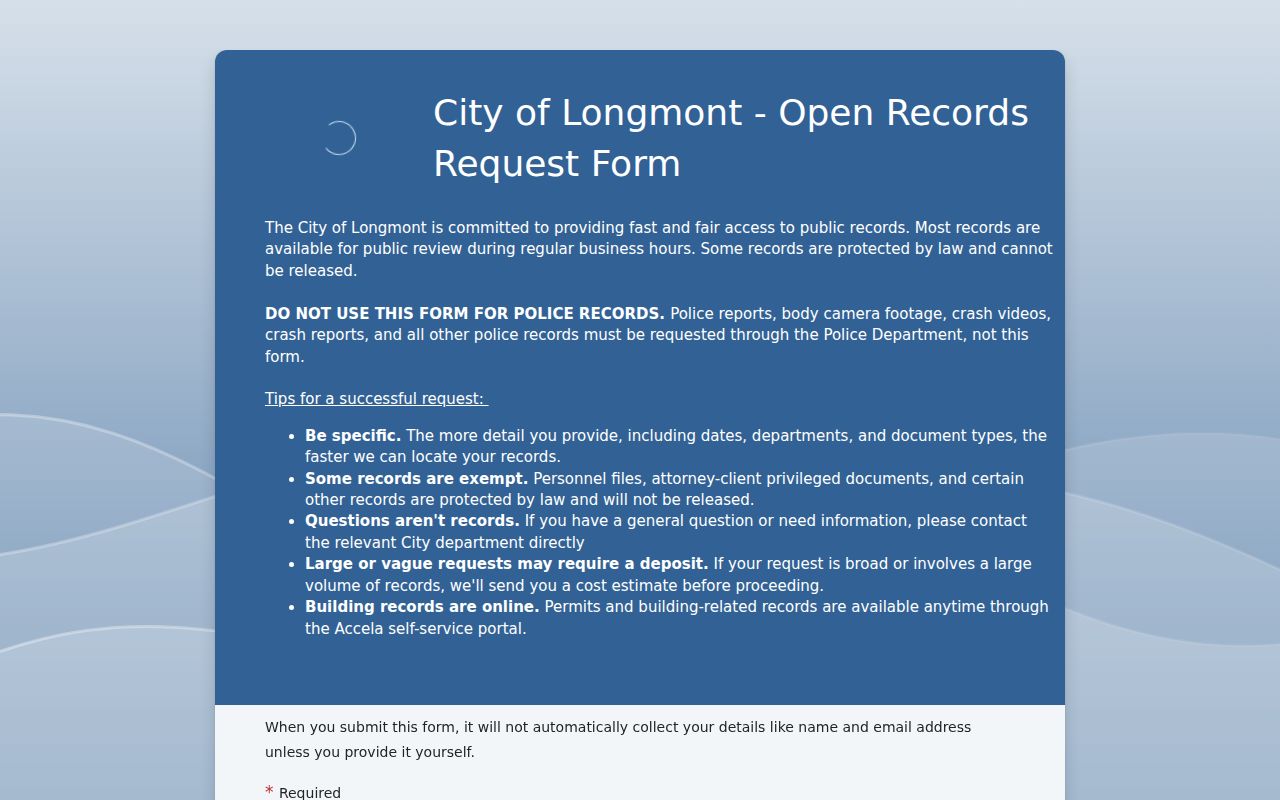
When the portal does not expose the needed record, Longmont's public-records request form is the fallback. A CORA request should name the records sought. It should not ask the custodian to invent an answer. The city's process uses a three-working-day response baseline, possible extensions, a first research hour without charge, and stated research, copy, and format costs. Check the live policy before filing.
The Longmont Online Records portal is the self-service route for these named city collections. The request form is separate, for records not already online.
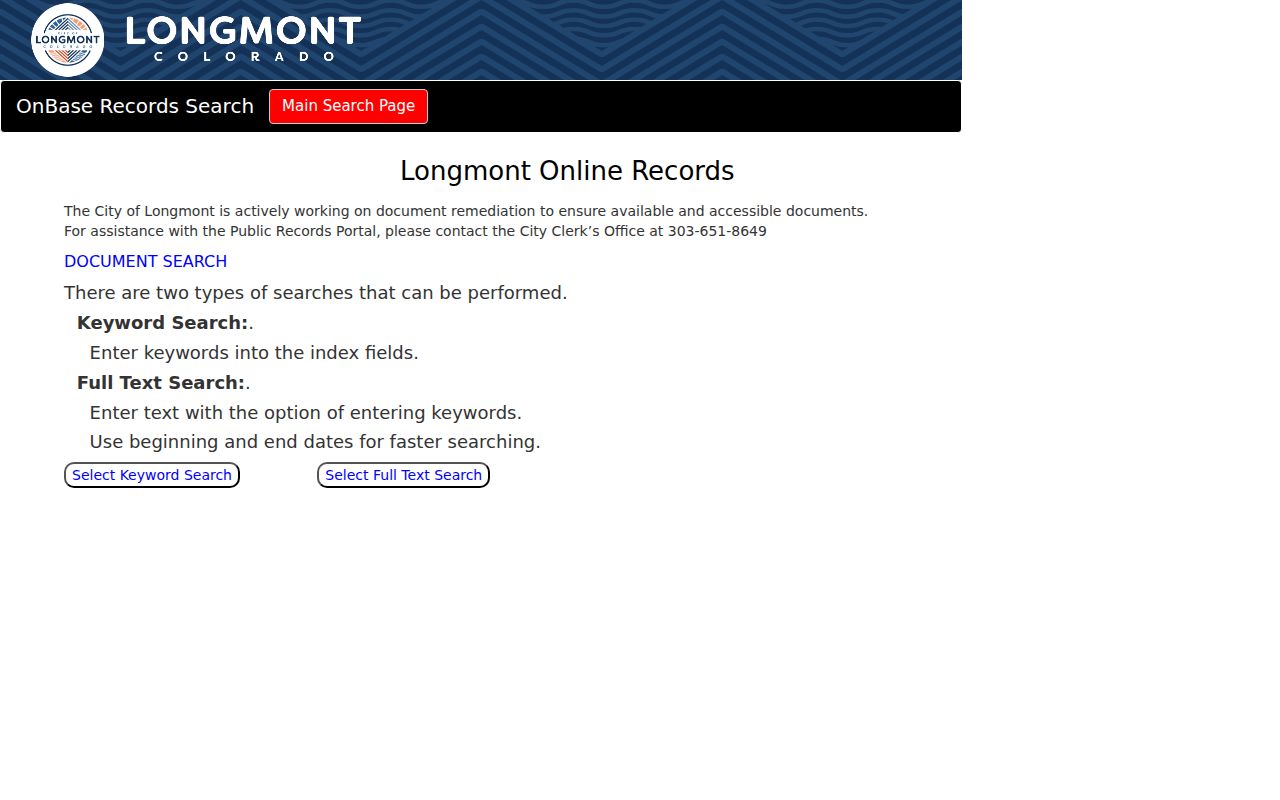
The online records screen displays the city's keyword and full-text search path. Note the collection name and retrieval date, since the portal carries a remediation notice.
The Longmont public-record request form is the next route when a self-service collection does not answer the question.
Note: A name appearing in Longmont city meeting records shows civic involvement, not that the person lived at the meeting's location.
Longmont Courts and Vital Records
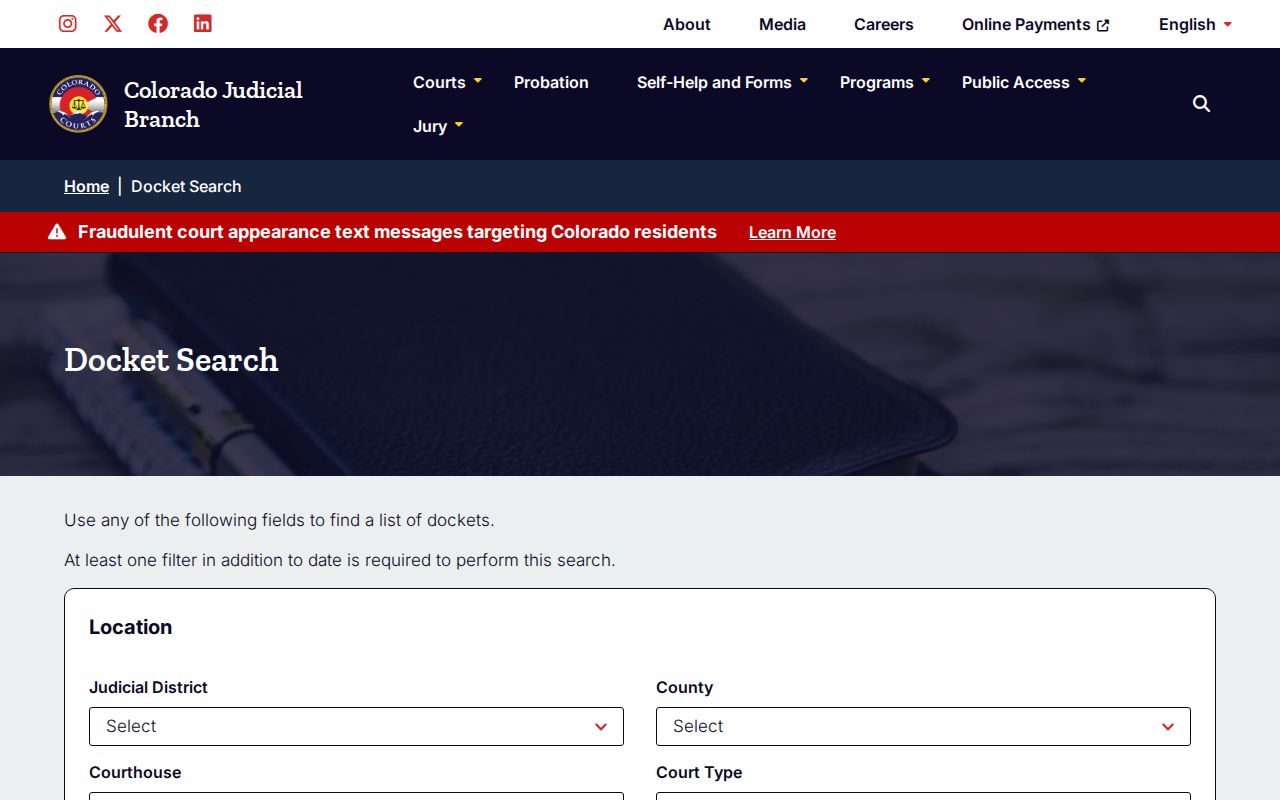
Colorado's Judicial Docket Search needs a date plus at least one more filter. Filters range wide. Judicial district, county, courthouse, court type, division, case class, and case sequence all narrow the results. Party name, business name, attorney name, and bar number narrow them too. Because Longmont sits in Boulder and Weld, run both counties separately. Then check the Longmont Municipal Court for city-code citations. A docket list supplies event and case context, not the whole file.
Need a decree, disposition, transcript, or full party record? Go through the court clerk or the court's records request route. Boulder and Longmont requests move through the state judicial records channel. Weld, by contrast, posts a records phone and email. Sealed, expunged, juvenile, adoption, and protected family-law material may stay out of view. The court's access policy balances openness with protection.
Vital records are tighter still. C.R.S. §25-2-117 makes Colorado vital statistics confidential. No general public-opening year exists for a name-only birth, death, marriage, adoption, or divorce search. Eligible applicants must show identification and a direct and tangible interest or a qualifying relationship. Boulder's Longmont counter handles eligible birth and death requests. Weld handles Weld events, and CDPHE and the State Archives cover state and historical routes.
Start at the Colorado vital-records access page for an application, not a public index. Historical researchers can pivot to the State Archives. The Longmont Ledger, cemetery and mortuary indexes, newspapers, directories, and probate offer more leads. An obituary or newspaper notice is a lead, never a certified certificate.
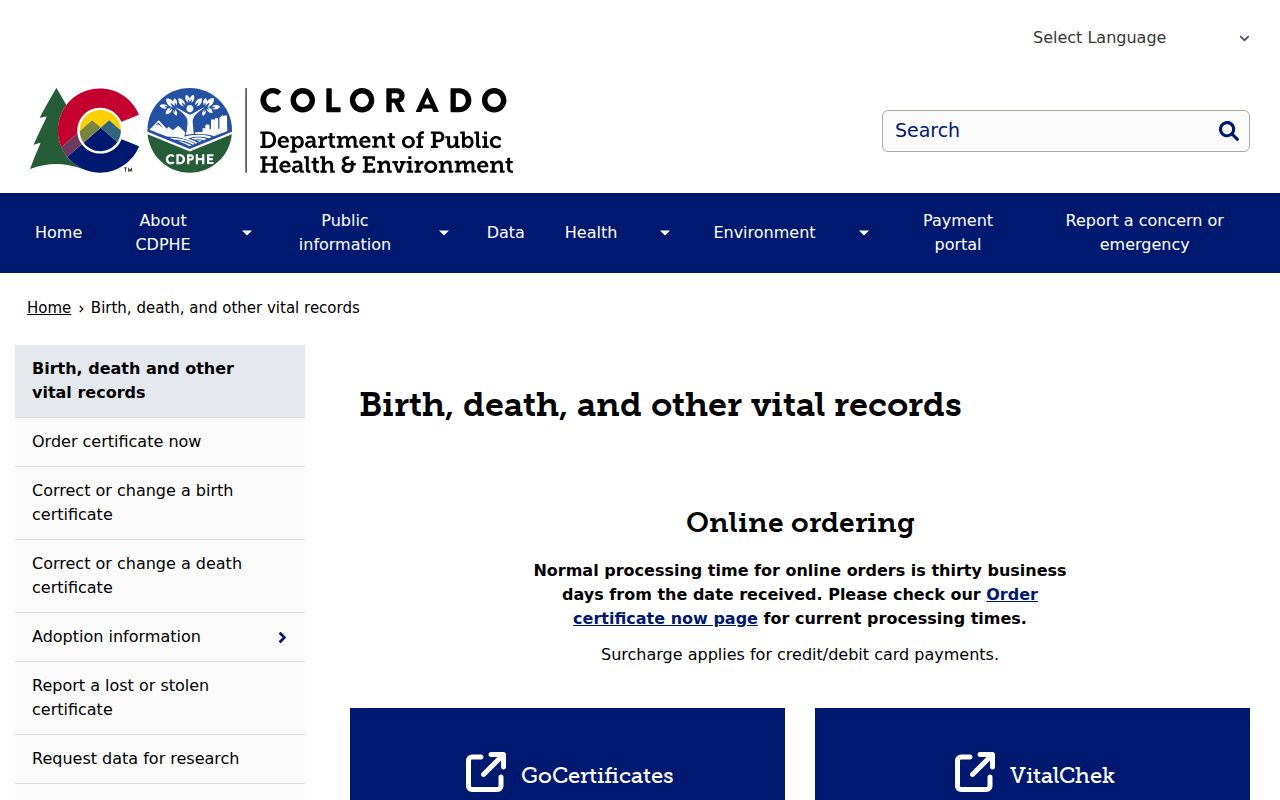
The Colorado vital-records screen steers eligible applicants toward county and state custodians rather than any public name search. For dated case-list work, the Colorado Judicial Docket Search is the place to begin.
Old Longmont City Directories Preserve Address Clues
Old Longmont city directories survive in scattered runs. Local discovery places a 1910 volume. The Longmont city directory, 1912-13, reaches rural routes. It also covers Mead, Lyons, Hygiene, Niwot, and Highland Lake. Other years include 1921, 1928, 1932, 1936, 1938, and 1940. Still more include 1943, 1949, 1951, 1953, 1955, and 1959. R.L. Polk dominates the later run. Denver Public Library holds Longmont editions from 1966 through 1997. Combined Longmont-Boulder books sometimes file the same person under a regional heading.
Reverse directories matter when the name is unknown. The Library of Congress lists a Longmont-Boulder criss-cross run covering 1991 through 1996. Search the street and number first. Then move to the alphabetical entry for occupation, household context, or a telephone clue. An entry might describe a householder, boarder, business, subscriber, or post-office listing. It is not a complete current residents directory.
The Longmont city directory collections page covers the shelf, scan, and reading details. For a quick historical lead, Longmont Public Library offers in-building Ancestry and FamilySearch access. It also provides HeritageQuest, monthly genealogy help, and a route to Longmont Archives.
Longmont ZIP Routes Do Not Settle Parcels
USPS lists 80501, 80502, 80503, and 80504 as the city-facing Longmont ZIP set. The postal system is not a city boundary. 80502 carries a PO Box and processing role tied to 80501, 80503 serves west and southwest areas plus county-side addresses, and 80504 reaches east and southeast postal territory. Routing labels can change without moving a parcel or a city line.
History offers two useful clues. USPS deleted 80542 effective March 1, 2019. A 2022 routing bulletin relabeled 80540's container from Longmont 80501 to Longmont 80503, even though 80540 itself belongs to Lyons rather than a regular Longmont city ZIP. Keep the original mailing line in historical work, then compare the current situs against the county parcel.
ZIP searches group mail routes. Assessor and GIS searches group parcels. The Longmont ZIP directory separates those uses and shows how to move from a verified postal address to the right county record.
Longmont search tip. A postal ZIP can guide the first lookup, but only the assessor parcel, legal description, and county system establish the record jurisdiction.
Longmont Ledger Cards Bridge the Old Rolls
The Longmont Genealogical Society's WPA-derived Ledger index pulls birth, marriage, and death notices from September 12, 1879 through 1935. The listed date is publication, not necessarily the event date. Early issues are missing from the Colorado Historic Newspapers Collection. Check any Ledger hit against the original page or library microfilm when the date matters.
The Society's projects go further, covering mortuary, newspaper, obituary, voter, cemetery, family-record, and local-history indexes. Its voter extraction spans 1898 through 1919. It can show name, address, ward, age, marital status, occupation, and physical description. The Quarterly Index points into street, election, naturalization, school, organization, and water-permit subjects. These make powerful historical resident leads. They tie a surname to a place and date that modern portals never cover.
Shaw Mortuary records teach a clear preservation lesson. The originals burned in a 2013 fire. Reproductions and indexes survive for roughly 1882 through 1945. Treat the surviving material as an index or reproduction. It can lead to a newspaper, cemetery, archive, probate file, or eligible certificate. It does so without pretending the lost original was ever inspected.
When a name connects to an entity, the Colorado Secretary of State business search accepts business, trade-name, trademark, ID, and document-number queries. It is a filing registry, not proof of residence.
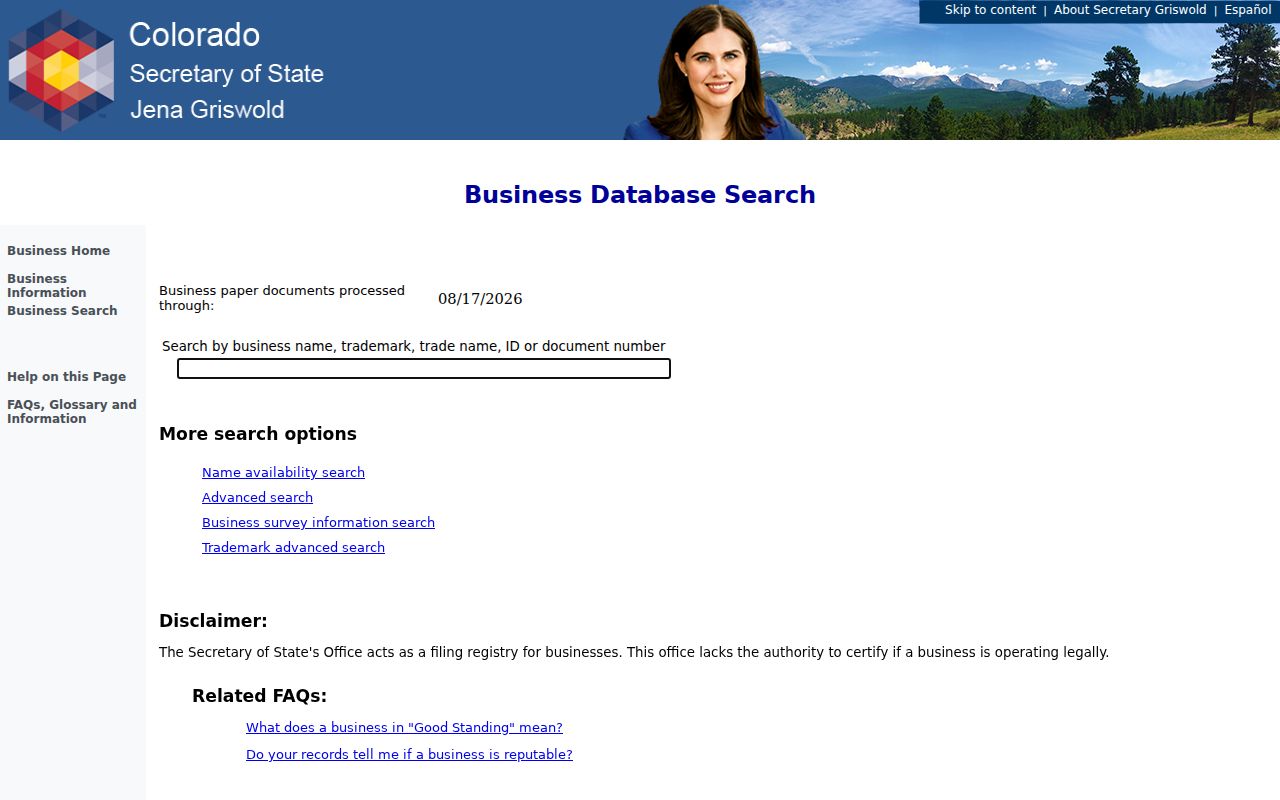
The SOS search screen shows a useful side route whenever a name belongs to an entity. Keep any registered-agent or principal address separate from a residential address.
Longmont Owners, Households, and Deed Trails
A house history in Longmont starts with the parcel, not the names. Grab the parcel key first. The assessor gives you the account number, legal description, and sales history. The recorder then supplies the instrument, grantor, grantee, reception number, recording date, and at times the grantee's mailing address. Work backward one owner at a time. Search the current grantee, read the deed, then hunt the prior grantor as an earlier grantee. Quitclaims, trusts, estates, liens, and deeds of trust often explain a name change that was never a true sale.
Line up each deed date with the nearest city directory and census year. The deed settles title. The directory gives a printed address and occupation. The census fixes a household on its enumeration date. Permits and historic maps fill in building chronology. A Longmont address can shift after annexation, subdivision, a parcel split or merge, or a street-number change, so keep the legal description and map geometry pinned to every note.
- Roll
- A recurring government list, such as an assessment or voter record, with a defined purpose.
- Index
- A finding aid. It points to a record but may not show the underlying instrument or complete file.
- Criss-cross directory
- An address-first directory that turns a street and number into an occupant or subscriber name.
- Parcel
- A mapped tract identified by a county account or parcel number and a legal description.
Longmont Archives Catch What Portals Miss
Longmont Archives sits on the second floor of the Longmont Museum at 400 Quail Road. Appointments run Monday through Friday, 9 a.m. to 5 p.m. The archive contact is 303-651-8370. Staff can dig into house and building history. They also handle historic photographs, letters, diaries, maps, business and school records, and Times-Call clippings. The clipping collection spans roughly 400 boxes from about 1967 through 1991. The inventory is still in progress.
The Museum holds more than 80,000 photographs overall, and more than 5,000 of them are online. Another stop is the St. Vrain Historical Society. It runs an appointment-only community research library at Historic Hoverhome, 1309 Hover St. The Society can also refer you to other local collections. The Library offers free genealogy help on the last Saturday of each month, 10 a.m. to noon. That help pairs researchers with local volunteers.
State Archives adds historical birth, death, naturalization, government, and county record groups. Its catalog is not a general resident directory. Search by creator, title, date, category, archive number, place, organization, or street. Then request the specific collection. A photograph caption or oral-history lead can narrow things down. But it still needs corroboration from the record custodian before you rely on it.
For an address-based appointment, the Longmont Archives information page is the best route. The Longmont Public Library genealogy page explains in-library database access and volunteer help.
Safe Longmont Record Use and Stop Rules
Public access to records is not a command to publish someone's address. Colorado's Address Confidentiality Program can supply a substitute address. It also provides mail forwarding for eligible survivors, protected health-care workers, and other covered participants. Voter confidentiality rules and HB25-1195 add protections for eligible voters. Recorded documents should be filed with sensitive identifiers redacted. DMV records stay protected under the federal Driver's Privacy Protection Act.
The Colorado Address Confidentiality Program is the official protection route for eligible participants. Check it before treating any address field as publishable.
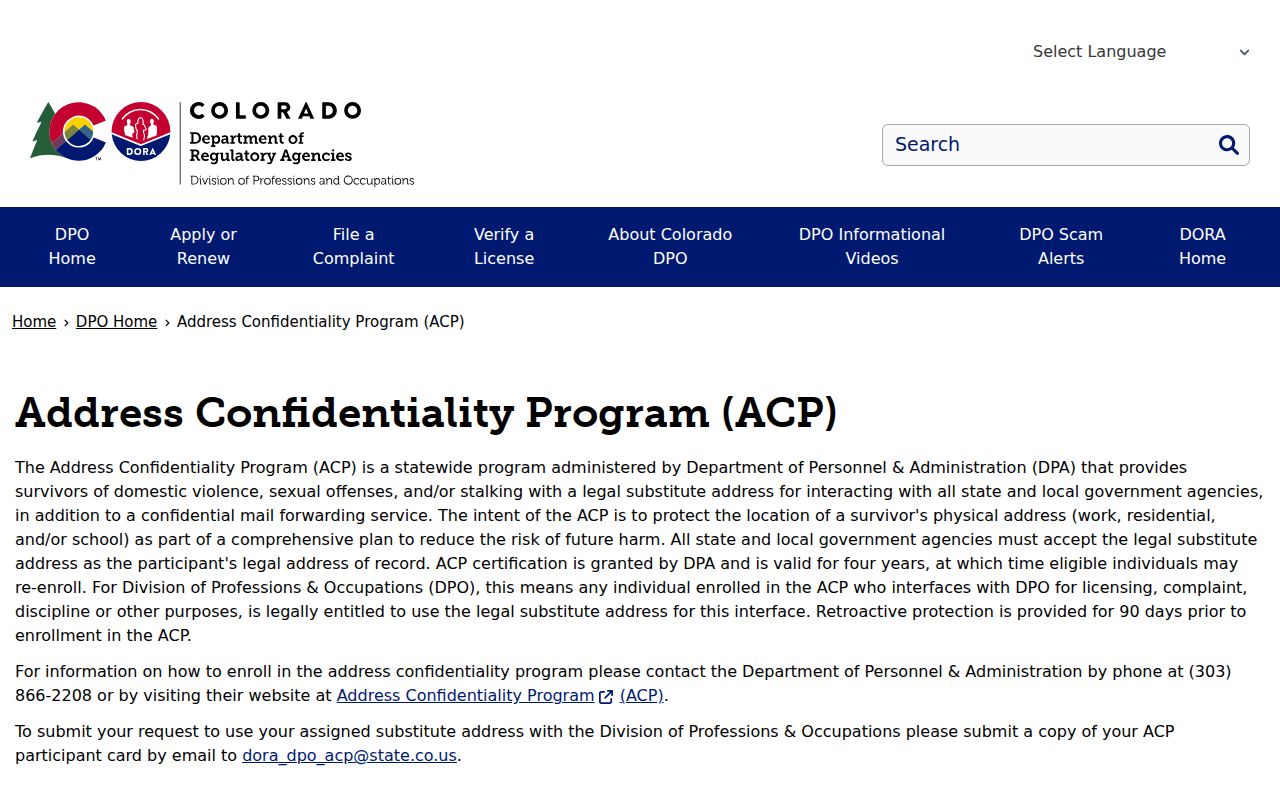
The confidentiality-program screen explains the substitute-address and mail-forwarding concept. A protected address is a stop rule, not a puzzle to reverse.
Stop when sources conflict, a record is restricted, or identity is unclear. A same-name hit is not enough. Record the date, county, record number, and source role each time. Correct an error with the actual assessor, recorder, court, clerk, DORA, CBI, or city custodian. If a property-copy notice, court text, or government message demands gift cards, cryptocurrency, or urgent payment, leave the message. Then call the official number from the custodian's site.
Lawful personal use. Longmont records support genealogy, house history, civic research, reconnecting, and careful source checking. Do not use a record to stalk, harass, threaten, or harm another person.
| Question | Best first source | Stop rule |
|---|---|---|
| Who owns the parcel? | County assessor, then recorder | Do not call the owner an occupant without another source. |
| Was a person registered? | Go Vote or lawful county report | Do not treat a missing match as proof of absence. |
| Who lived there before? | Deed, directory, census, newspaper | Keep title, household, and event evidence separate. |
| What happened in court? | Docket, then clerk file | Do not treat a docket list as the complete case. |
Longmont's residents directory works best as a source map. Start with the narrowest official record, write down what it actually says, and move outward only when the next question demands it. That method keeps a current owner distinct from a registered voter, a former householder, a civic participant, and a person who merely shares a name.